

What These '70s One Hit Wonders Look Like Today
We may receive a commission on purchases made from links.
This article contains references to sexual and child abuse.
The 1970s were an amazing decade for music, with songs from that era standing the test of time to remain embedded in the fabric of public consciousness, five-plus decades later. From the string of hits to emerge from Fleetwood Mac's iconic "Rumours" album to David Bowie's multiple reinventions and so much more, the '70s proved — in retrospect — to be the decade that has just kept on giving.
And while that was true of those and other legendary artists whose music provided the soundtrack to the '70s, it was also the case for musicians who made it big momentarily, landing that all-important hit at the top of the charts before fading into obscurity. These one-hit wonders ran the gamut, from rock to soul to disco to all points in between, all sharing one key attribute: a second hit never did materialize on the back of that one enormous blockbuster.
If you have you ever wondered what happened to these singers who gave us such iconic hits and then seemingly vanished from the Billboard charts — and how their appearance may have changed since then — read on to discover what these '70s one-hit wonders look like today.
Norman Greenbaum: Spirit in the Sky
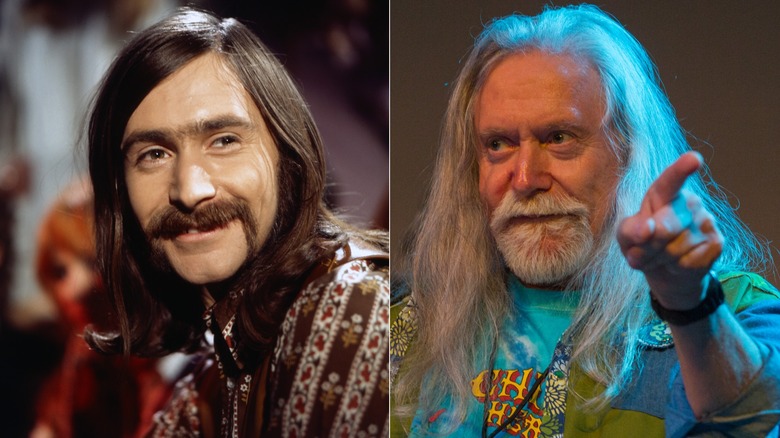
Few songs are more instantly recognizable than the fuzz-toned guitar riff that opens Norman Greenbaum's "Spirit in the Sky." Released in late 1969, the song soared to No. 3 on the Billboard Hot 100 in early 1970. After "Spirit in the Sky," Greenbaum and his band hit the road to capitalize on the song's success, but that proved to be short-lived. "We toured quite a bit at first," Greenbaum told Guitar Player, "But I fell into the 'one-hit wonder' hole. A lot of booking people got wary."
By the end of the 1970s, his once-promising music career had fizzled, and Greenbaum was working in restaurant kitchens. "I was broke, what else could I do? You can't write another 'Spirit in the Sky,' so I'll do this," he told The New York Times in 2006. "I was OK with it."
But then, out of the blue, producers of the 1987 movie "Maid to Order" used "Spirit in the Sky" on the soundtrack. That opened the floodgates, and the song began popping up in more films and then TV commercials, ultimately appearing in more than 100 films and TV shows. Suddenly, "Spirit in the Sky" became his meal ticket; while he'd sold the publishing rights, as the song's performer, he receives about $10K every time it's used in a movie or TV commercial. "Well, it's not like it's made me rich," added Greenbaum, his long hair now pure white after celebrating his 83rd birthday in 2025. "But because of 'Spirit in the Sky,' I don't have to work. So in that sense, it's a comfortable living."
Carl Douglas: Kung Fu Fighting
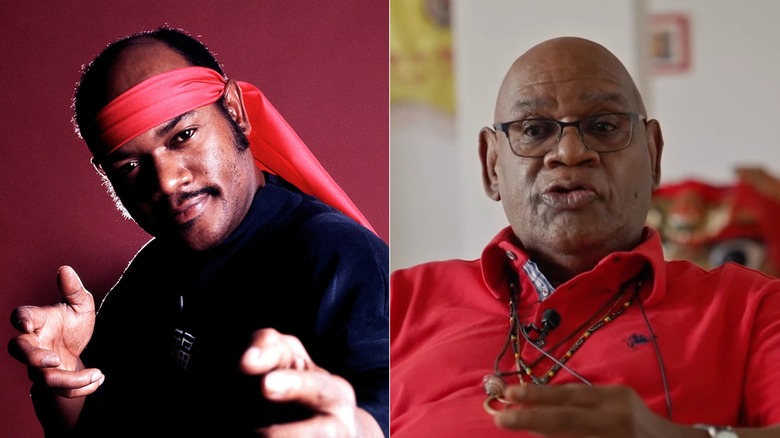
There are more numerous novelty songs that fit within the one-hit wonder category, but few are as catchy as Carl Douglas' "Kung Fu Fighting." Written as a throw-away B-side to capitalize on the martial-arts movie craze that was taking place in 1974 — and recorded in just 10 minutes — Douglas created a grooving, dance-friendly declaration that "everybody was kung fu fighting" all over "funky Chinatown." The song topped the charts, spending two weeks at No. 1 and selling 11 million records.
Douglas attempted to catch lightning in a bottle a second time, but his follow-up, "Dance the Kung Fu," flopped hard. Douglas made a few more records, but another hit proved to be elusive. He wound up moving to Germany, running a successful production company supplying music for movies and TV commercials.
Now in his 80s, Douglas is no longer singing and performing, but remains proud of his biggest hit's lasting legacy. "I think over a period of 50 years, it's been used in about 300-and-something films," Douglas said of "Kung Fu Fighting" when interviewed for Soave. "And to date, it's sold 40-something million," he added, "and I thought, 'Oh, thank you Lord.'"
Mungo Jerry: In the Summertime
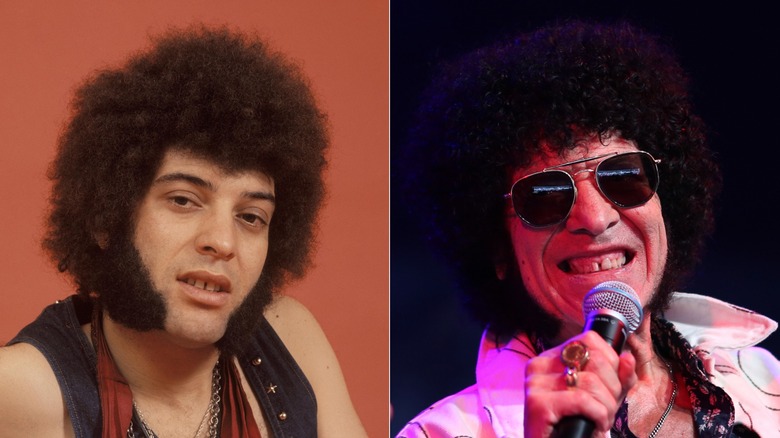
Released in 1970, Mungo Jerry's "In the Summertime" hit No. 1 in numerous countries (and No. 3 in the U.S.), and went on to sell more than 30 million copies. While Mungo Jerry, technically the name of the band, but also used to refer to frontman Ray Dorset, is considered a one-hit wonder in the U.S., Dorset and his band actually had far more success in their native U.K.
"Mungo Jerry remain big in countries like Germany, Switzerland, and Poland, and over the past few years I've played major jazz and blues festivals," Dorset said in a 2014 interview with The Express, and he wasn't shy when it came to bragging about the enduring influence of his biggest hit. "I reckon 'In The Summertime' is probably the best-known song around the world, apart from maybe 'Happy Birthday' and 'White Christmas,'" Dorset declared. "It does bring a lot of people together. It's a kind of celebration of life."
In 2025, Dorset answered fan questions in a YouTube video, boasting the same dark afro-style hair and mutton-chop sideburns that he wore in the early '70s. In that chat, he revealed he was in the midst of working on a book about Mungo Jerry. "It's like an autobiography," he said; that book has since come out, "Mungo Jerry: Song By Song."
Walter Egan: Magnet and Steel
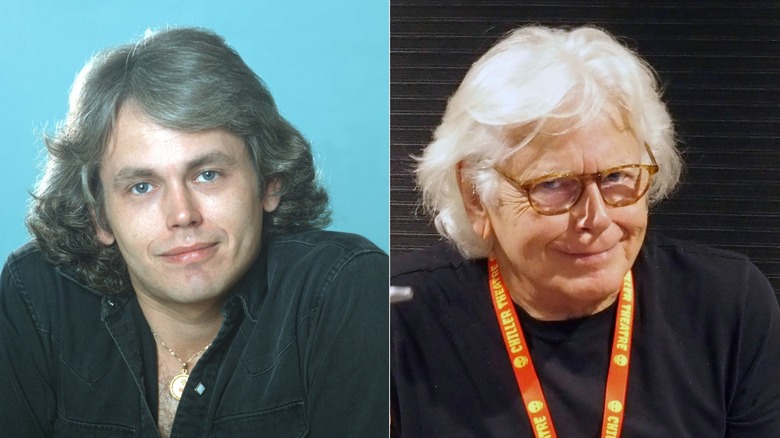
Sailing the same soft-rock seas as fellow yacht rockers Toto and Christopher Cross, Walter Egan scored a top 10 hit with his 1978 single "Magnet and Steel." With background vocals from the song's producer, Lindsey Buckingham, and the ever-transformative Stevie Nicks of Fleetwood Mac, the single seemingly laid the foundation for further hits, which never did arrive.
Years later, Egan wound up as a substitute teacher in Williamson County, Tennessee, near Nashville. As he told ClassicBands.com, the gig supplied a steady source of income while providing the freedom to maintain his music career. "I do the substitute teaching because it allows me to leave and go on the road and do the music when I need to and then come back and still have the same position I had before I left," said Egan, whose once-boyish appearance has settled into a distinguished elder-statesman look.
Reflecting on being described as a one-hit wonder, Egan told Rock Cellar Magazine that "no artist sets out to be a one-hit wonder and the phrase itself implies a flash in the pan, someone who just got lucky through situation and circumstance. Since I have my own page in the Joel Whitburn "One-Hit Wonders" book, I feel like it would be disingenuous to deny that status ... That said, I am not defined by that status."
Nick Gilder: Hot Child in the City
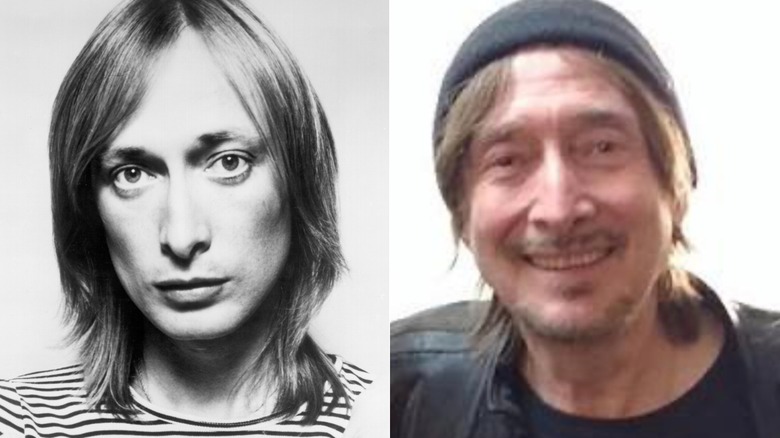
Nick Gilder hit No. 1 in both the U.S. and Canada with his 1978 single "Hot Child in the City." The former frontman for Vancouver glam band Sweeney Todd, Gilder's departure to pursue a solo career led to him being replaced by a guy who is definitely not a one-hit wonder, Bryan Adams (although these days some may wonder whatever happened to Adams).
While Gilder never again reached those heights, he's continued to make music in the years since, and his music has appeared in numerous films and TV shows. He's also experienced success as a songwriter, with his songs recorded by artists including Joe Cocker, Bette Midler, Pat Benatar, and Patty Smyth. He also co-wrote Scandal's 1984 hit "The Warrior," which proved to be a godsend during a period when the cash-strapped singer was in the midst of a protracted legal battle with his record label. "And it turned out to be a real help to me," he told the Georgia Strait of "The Warrior." "At the same time as I managed to get all of my legal problems straightened out, the Scandal record was happening, and everything just kinda clicked into place ... I mean it really kept me going."
These days, Gilder has reunited with Sweeney Todd, now renamed Nick Gilder Sweeney Todd Group. As of late 2025, the band was in the process of recording a new album, while several tour dates lay ahead. Meanwhile, GIlder himself remains spry and fit, his long hair a bit shorter than it was in the '70s, but still looking every inch the rock star.
David Naughton: Makin' It
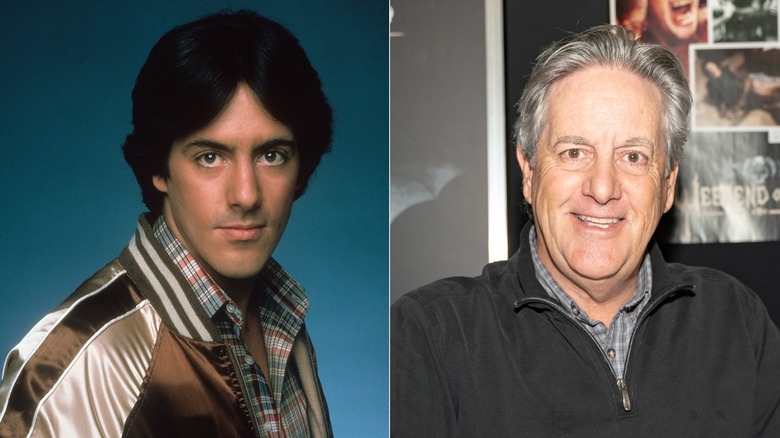
Actor David Naughton sprang to fame from a series of TV commercials for Dr. Pepper in the late 1970s, singing the catchy jingle, "I'm a Pepper, he's a Pepper, she's a Pepper, we're all Peppers, wouldn't you like to be a Pepper too?" That led to a starring role in "Makin' It," a 1979 sitcom that hopped on the disco craze in the wake of "Saturday Night Fever."
As Naughton told Cryptic Rock, he pitched himself to sing the theme song. "I had to sort of win that role," he recalled of how he came to sing the disco-fied theme song, "Makin' It." But a bizarre scenario unfolded when the sitcom tanked, cancelled after just nine episodes, while the theme song — which had been released as a single — became a bona fide radio hit. Cracking the top 10, "Makin' It" remained on the charts for an impressive 24 weeks — nearly three times longer than the sitcom lasted. "The song went to No. 5 in the Top 40, I had no idea it was going to be a successful song," Naughton said. "You just never know, you go in sometimes with an open mind, give your all, and low and behold [sic], things work out."
"Makin' It" marked both the beginning and ending of Naughton's music career, but he did far better as an actor. He went on to star in the 1981 horror-comedy "An American Werewolf in London" abd continues to appear in film and television, although the roles he takes on these days fit his status as a septuagenarian. Meanwhile, the older, greyer version of Naughton can often be found signing autographs at fan conventions.
Rex Smith: You Take My Breath Away
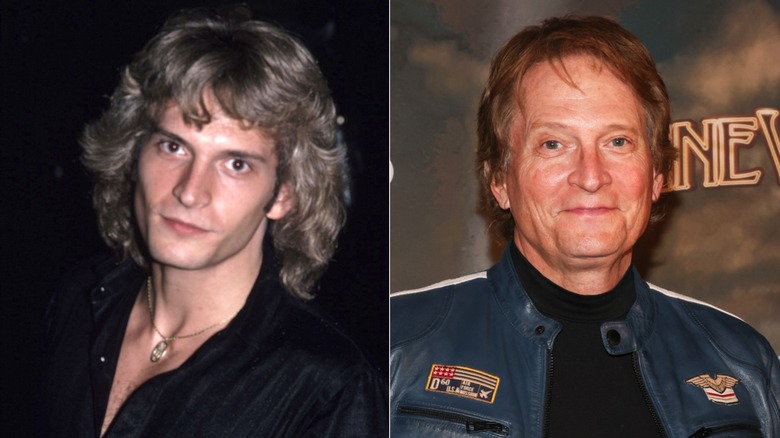
Singer Rex Smith's 1979 hit "You Take My Breath Away" spent 16 weeks on the charts, hitting a top position at No. 9. The unabashedly sappy ballad proved to be a career milestone for Smith, who'd made a splash when he made his Broadway debut in "Grease" the year before. Interestingly, the song was recorded for "Sooner or Later," a music-filled made-for-TV movie in which he starred, marking Smith's screen debut.
Marketed as a teen idol, Smith continued to make albums throughout the 1980s and beyond, while also enjoying a successful parallel career as an actor. In addition to starring in the 1983 big-screen musical "The Pirates of Penzance," Smith starred in the short-lived TV series "Street Hawk," had a 40-episode stint on "As the World Turns" in the early 1990s, and has been a frequent guest star in various series.
Smith also returned to the stage, appearing on Broadway in "Grand Hotel," "The Scarlet Pimpernel," and others, in addition to numerous touring productions. Smith, who turned 70 in 2025 but maintains an aura of youthful vigor, mounted a one-man show. Titled "Confessions of a Teen Idol," Smith combines his music, film, and TV work, and storytelling for a multimedia experience recounting his journey through showbiz.
Vicki Lawrence: The Night the Lights Went Out in Georgia
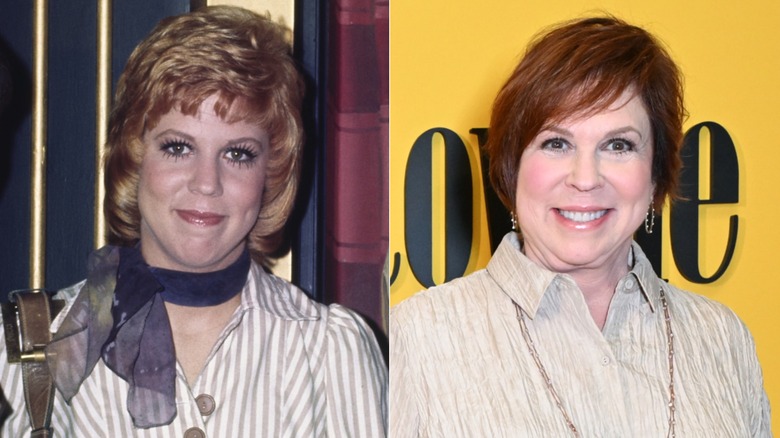
When Vicki Lawrence released "The Night the Lights Went Out in Georgia" in 1972, she was already well known — not as a singer, but as a cast member on the wildly popular variety show hosted by comedy superstar Carol Burnett. The song was written by her then-husband, Bobby Russell, a Southern gothic saga in the vein of "Ode to Billy Joe." The song wound up spending two weeks at No. 1, with Burnett famously presenting Lawrence with her gold record during an episode of "The Carol Burnett Show."
As Lawrence explained in an interview with Lyndsanity, her husband had first sent the song to Liza Minnelli. However, the "Cabaret" star turned down what would become a No. 1, although that was certainly not one of the saddest things about Minnelli. He then sent it to singer/TV star Cher, whose then-husband, Sonny Bono, insisted the song would have to be completely rewritten before he even showed it to her. Russell balked, and his producer suggested that Lawrence go into the studio and record it. "So, I sort of inherited that thing by default. Nobody else really wanted it," she recalled. "It was the ultimate demise of an already doomed marriage, but I got a gold record. Things happen for a reason."
Lawrence attempted to continue her music career but threw in the towel after her next two albums sold poorly. Her other career, however, continued to thrive, which included a starring role in the sitcom "Mama's Family." Having turned 76 in 2025, Lawrence remains instantly recognizable, as viewers saw when she starred in Fox sitcom "The Cool Kids," and, more recently, reuniting with Burnett in Apple TV series "Palm Royale."
Lee Michaels: Do You Know What I Mean
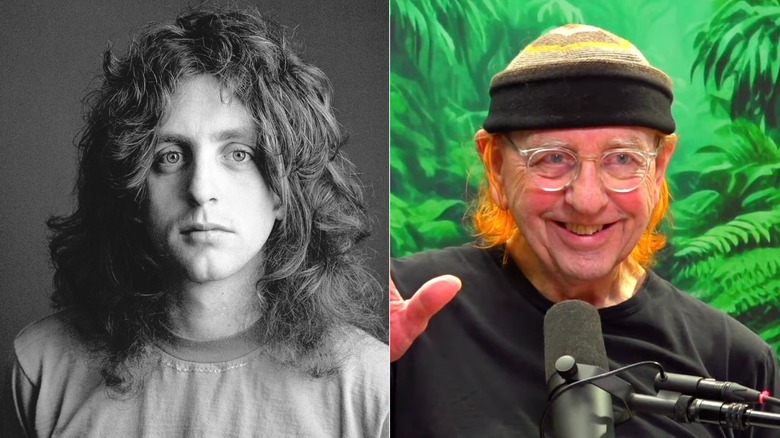
Lee Michaels struck solid gold in 1971 with "Do You Know What I Mean," a catchy, funky pop single that peaked at No. 6 on the Billboard Hot 100. Subsequent musical efforts, however, failed to capture that level of success, and he eventually decided to reinvent himself as a restaurateur.
These days, he's the owner of Killer Shrimp, a popular eatery in Marina Del Rey, California, along with several other locations. Michaels' son, Kevin, manages the business and takes credit for the idea for both the restaurant and its name. As Kevin told Patch, his dad concocted a recipe for a spicy shrimp dish that Kevin and his siblings loved so much they would cry out, "Dad, we want that killer shrimp!"
If serving up shrimp isn't enough of a departure from the music biz, Michaels also manages a boxing gym and even managed a professional boxer for a time. "I learned that I had no business being involved in boxing. That's what I learned," he told It's Psychedelic Baby Magazine. Meanwhile, the ongoing success of his restaurant chain allows him the freedom to host "The Lee Michaels Podcast," where he discusses boxing, music, and his other passion: exotic cats (he owns several, including cheetahs and tigers). "I've loved cats since I was a little kid, so since I love cats, it was natural to get bigger ones because I had the opportunity to do it," he explained, his once-leonine head of hair now hidden beneath a stocking cap, his face lined from all the years that have passed since he topped the charts.
Debby Boone: You Light Up My Life
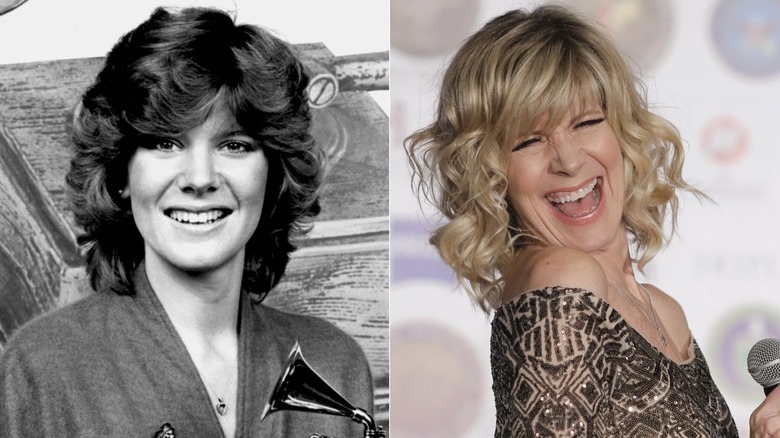
If there was one song that was ubiquitous during 1977, it was "You Light Up My Life." Recorded as the theme song for a film of the same name by singer Debby Boone (daughter of 1950s teen idol Pat Boone), the song spent a staggering 10 consecutive weeks at No. 1 before going on to win an Oscar for best original song. That's a tough act to top, and Boone didn't. She has, however, enjoyed a successful music career after swerving into the country lane and then veering into contemporary Christian music. She also delved into acting, working in both stage and screen, and, having celebrated her 69th birthday in 2025, looks as if she's hardly aged a day since the 1970s .
Interestingly, when Boone was asked to provide vocals for the already-completed track, she didn't know that the song had already been recorded with another singer. Kasey Cisyk, who was in a relationship with the song's writer, Joe Brooks, had laid down the vocals, but a problem emerged that led the song's producer to reach out to Boone to sing it. "She recorded the vocal to the soundtrack in the movie, so if you were to go see the movie, a lot of people think it's my voice but it's Kasey Cisyk," Boone told HuffPost. "They could not come to an agreement on her contract for the release of a record, so they took her voice off the track for radio release and put mine on. I knew none of this until years later."
Gary Glitter: Rock 'n' Roll (Part 2)
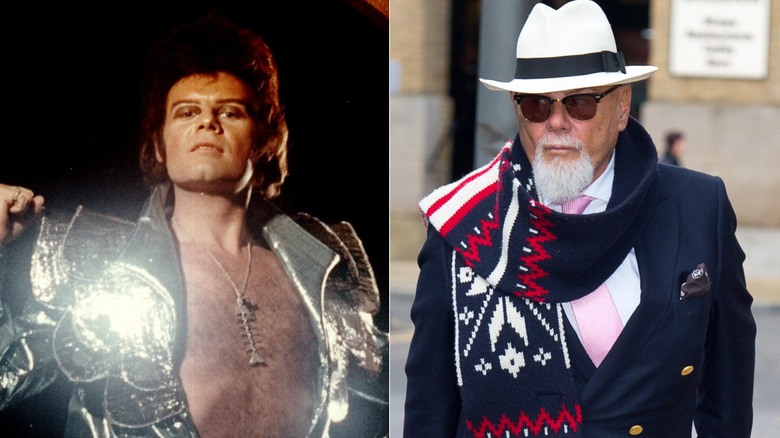
It's fair to say that no performer has gotten more mileage out of a single word than Gary Glitter, with the repetition of "hey!" forming the entirety of the lyrics to his 1972 glam hit "Rock 'n' Roll (Part 2)." Glitter, real name Paul Gadd, never achieved anywhere near the success of that song, although the royalties kept pouring in when the track enjoyed a second life as a popular fixture at live sporting events.
The song's ongoing popularity became intensely complicated in 1997, when Gadd took his laptop into a shop for repairs, and the technician discovered it was loaded with indecent images of children. He was sentenced to four months in prison after being found guilty of possessing child pornography. When he appeared in court, his age was evident, no longer sporting the massive pompadour of old, his bald head hidden beneath hats. He was subsequently found guilty of sexually abusing several schoolgirls, the youngest of whom was 12, during the 1970s and '80s, and was also found guilty on similar charges when he fled to Vietnam, spending two-and-a-half years in prison there before being deported to the U.K. In 2015, he was sentenced to 16 years in prison. Not surprisingly, sports arenas began ditching the tune.
Gadd was released in 2023, halfway through his sentence, only to be thrown back in the slammer when he was found to have breached the conditions of his parole by viewing downloaded images of children. His most recent bid for parole, in June 2025 — at age 81 — was denied. "It is difficult to overstate the depravity of this dreadful behavior," Judge Alistair McCreath said at the time of his sentencing, as reported by The Guardian.
If you or anyone you know is struggling with sexual or child abuse, contact the relevant resources below:
-
The Rape, Abuse & Incest National Network website or contact RAINN's National Helpline at 1-800-656-HOPE (4673).
-
The Childhelp National Child Abuse Hotline at 1-800-4-A-Child (1-800-422-4453) or contact their live chat services.